
Jefwifi Robotics
As technology continues to evolve, so do the solutions for maintaining security in various environments. AI robot security patrols are now being deployed in diverse scenarios, providing enhanced surveillance, faster response times, and improved safety for communities. Here are three scenarios showcasing how AI robots are changing the landscape of security.
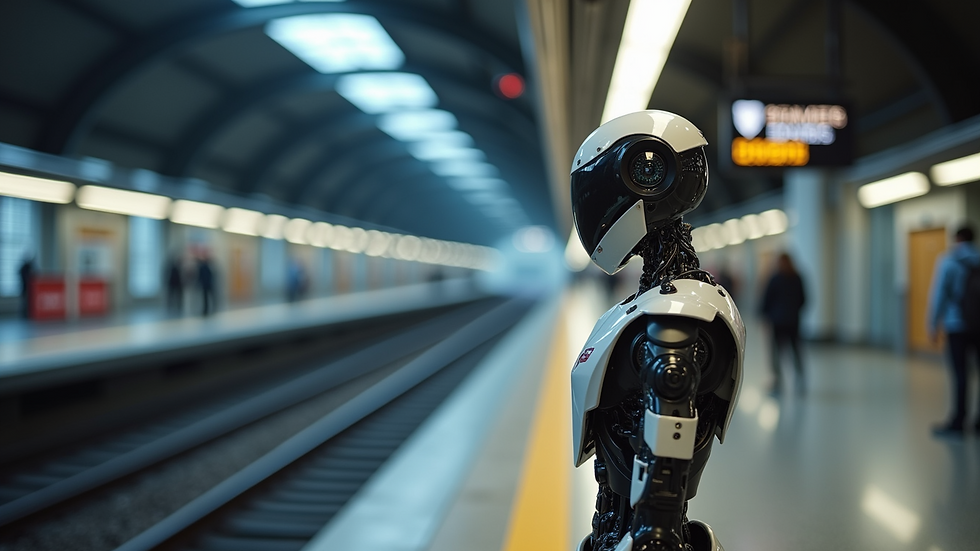
AI Robots in Train Stations
In bustling train stations, AI robots patrol the premises, ensuring commuter safety and enhancing public transport security. These robots are equipped with advanced sensors and cameras to identify unusual behavior and respond rapidly to potential threats. Moreover, their ability to communicate with law enforcement provides a valuable layer of protection during peak hours.
AI Humanoids in Hospitals
In healthcare settings, humanoid robots roam hospital hallways and patient rooms, monitoring vital signs and assisting medical staff. These AI-driven robots streamline operations while providing companionship to patients, reducing feelings of isolation. By integrating AI monitoring, hospitals can ensure timely medical intervention and better overall patient care.

AI Drones Above Busy Highways
AI drones are also revolutionizing highway surveillance. Equipped with high-resolution cameras, these drones monitor traffic patterns and potential accidents. By analyzing road conditions, they can relay real-time data to traffic management centers, improving response times and reducing congestion on busy roads.

Key Benefits of AI Robot Security Patrols
AI robot security patrols offer numerous advantages, including cost savings, increased efficiency, and heightened safety.
24/7 Vigilance: Unlike human security personnel, AI robots do not require breaks and can operate around the clock. This consistency ensures that surveillance is always in place.
Cost-effectiveness: Investing in AI security robots can result in long-term savings for organizations. By reducing the need for multiple security staff, resources can be allocated to improve other areas.
Accessibility: AI robots can access remote or dangerous locations, ensuring no area is left unmonitored. They can patrol places like construction sites or warehouses with limited human presence.
Advanced Analytics: AI systems can analyze vast amounts of data almost instantly, allowing for swift decision-making when seconds count. This capability enhances emergency response.
Public Trust: The presence of AI patrols can instill a sense of safety in communities, encouraging more people to utilize public spaces such as parks and community events.
Real-World Applications of AI Robot Patrols
Airports
Airports are adopting AI robot patrols to enhance security in terminals and boarding areas. Robots scan for suspicious behavior and help manage crowd control efficiently. Such implementation can improve passenger confidence in airport security measures.
Shopping Malls
Retail environments benefit from security robots that monitor foot traffic and report any potential thefts or disturbances. The robots can integrate with in-store security systems, providing a holistic view of the environment and improving incident response times.
School Campuses
In educational institutions, AI patrol robots can help ensure the safety of students and faculty. They roam around campuses, providing surveillance and communication with authorities in case of emergencies. This proactive approach helps maintain a safe learning environment.
Future of AI Robot Security Patrols
The future looks promising for AI robot security patrols, as innovations in robotics and artificial intelligence continue to enhance their capabilities. Developments in machine learning will enable these machines to become even more adept at recognizing patterns and predicting potential incidents.
Advanced Integration
AI robots will increasingly integrate with existing security systems, providing seamless collaboration among technologies. As CCTV systems, alarms, and access controls converge on one platform, AI robots will enhance overall situational awareness.
Facial Recognition and Activity Analysis
Future patrols may incorporate facial recognition technology, allowing them to identify known offenders or missing persons. Moreover, analyzing human activity patterns can help preemptively address potential security breaches.
Human-Robot Collaboration
Instead of entirely replacing human security personnel, AI robots will work alongside them, enhancing their capabilities. This collaboration will lead to more effective security measures, leveraging the strengths of both human judgment and AI efficiency.
Challenges and Considerations
While the advantages of AI robot security patrols are substantial, there are several challenges that must be addressed:
Privacy Concerns: The use of AI surveillance raises questions about individual privacy rights. Striking a balance between monitoring for safety and invading personal lives is essential.
Technical Limitations: Although AI technology is improving, robots are not infallible. Reliance on technology necessitates contingency plans for system failures or malfunctions.
Public Acceptance: Gaining public trust and acceptance of robots in security roles may take time. Continuous education about their roles and capabilities will be key in easing public fears.
Moving Forward with AI Security Robots
As we consider the future of security, the integration of AI robots into patrol roles offers significant potential. Organizations should carefully weigh the benefits and challenges before making the transition.
Investing in AI robot security solutions can transform how we think about safety in our communities.
AI robot patrols are here to stay, offering innovative solutions that not only enhance security but also foster safer environments for all. With continued advancements in technology and public policy, the future of security may very well be robotic, intelligent, and efficient.


Comments